
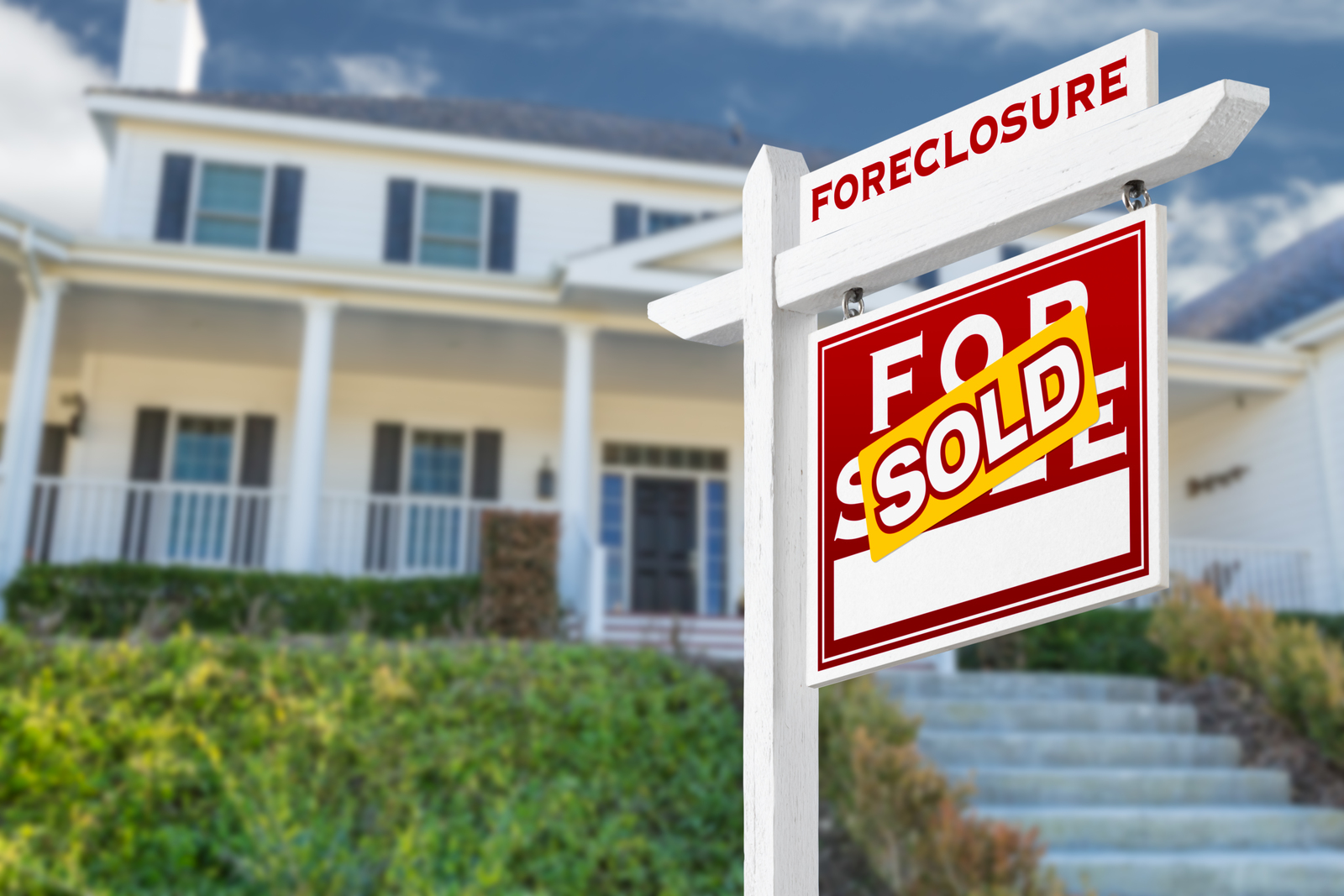
Are you looking for a surefire way to put profit in your pocket? It’s time to explore the lucrative world of investing in foreclosed homes. With the right knowledge and strategies, these distressed properties can become excellent sources of income and substantial returns on your investment.
Foreclosed homes, also known as bank-owned or REO (real estate owned) properties, are houses that have been reclaimed by lenders due to the previous owner’s failure to make mortgage payments. This unfortunate situation for the homeowner opens up a unique opportunity for investors like yourself, who can capitalize on the discounted prices and potential for appreciation.
When considering investing in foreclosed homes, it’s crucial to have a solid understanding of the foreclosure process. This will enable you to navigate the complexities involved and make informed decisions. From pre-foreclosure to auction and post-foreclosure, each stage offers different avenues for acquiring these properties.
The first step in this profitable venture is to identify the essential factors to consider before investing. You need to evaluate the location, condition, market value, and potential repair costs of each property. Conducting thorough research and due diligence will help you identify the foreclosed homes with the greatest profit potential.
Now that you understand the foreclosure process and have identified promising properties, it’s time to learn how to find them. Utilize various resources such as online listings, real estate agents, public records, and foreclosure auctions in Mexico to discover hidden gems waiting to be uncovered.
Once you’ve successfully purchased foreclosed properties, it’s important to have a strategy in place for maximizing your returns. If you plan to sell, timing the market and making strategic renovations can significantly increase the property’s value. Alternatively, if you decide to rent out the home, you’ll need to understand the rental market and carefully screen tenants to ensure a steady stream of income.
The Lucrative Opportunity of Investing in Foreclosed Homes
Investing in foreclosed homes presents a lucrative opportunity for individuals looking to grow their wealth and explore real estate investments. As the housing market experiences fluctuations and economic uncertainties, these distressed properties can offer significant returns when approached strategically.
Foreclosed homes are properties that are repossessed by mortgage lenders or banks due to the previous owner’s failure to make mortgage payments. These properties are typically sold at auctions or through real estate agents at prices well below their market value. This offers investors the potential to purchase properties at a significant discount.
One primary advantage of investing in foreclosed homes is the potential for a high return on investment. Due to their discounted prices, investors have the opportunity to acquire properties and sell them later at a profit when the market conditions improve. In some cases, these properties can be bought, renovated, and then rented out to generate a consistent stream of income.
Additionally, the low purchase prices of foreclosed homes allow investors to diversify their real estate portfolio with multiple properties. By acquiring several distressed properties, investors can spread their risk and increase their chances of long-term financial gains.
Furthermore, investing in foreclosed homes provides an opportunity for individuals to contribute to revitalizing communities. By purchasing and renovating distressed properties, investors can improve the overall value and appeal of the neighborhood, leading to positive economic growth.
However, it’s crucial to approach investing in foreclosed homes with careful consideration. These properties may require extensive repairs or have hidden issues that could impact their profitability. Conducting thorough inspections, working with experienced real estate agents, and having a solid understanding of the local market are crucial for successful investment outcomes.
Investing in foreclosed homes offers a lucrative opportunity for individuals seeking to maximize their returns in the real estate market. By taking advantage of the discounted prices and potential for long-term appreciation, investors can diversify their portfolio and generate substantial profits. With proper research, due diligence, and a strategic approach, investing in foreclosed homes can provide a path to financial success.
Understanding the Foreclosure Process and its Potential for Profit
When it comes to investing in real estate, one avenue that is often overlooked but holds tremendous potential for profit is the foreclosure market. Understanding the foreclosure process and its dynamics can give you a distinct advantage in this niche market and pave the way for lucrative returns.
Foreclosure occurs when a homeowner fails to make their mortgage payments, leading the lender to repossess the property. This process typically follows a specific legal framework, which can vary depending on the jurisdiction. Familiarizing yourself with these processes is crucial in order to navigate the complexities and seize opportunities that arise.
Investing in foreclosed homes offers several advantages. Firstly, these properties are often available at significant discounts compared to their market value. For investors who can capitalize on this price disparity, it presents a unique opportunity to maximize profits. Additionally, foreclosed homes can be ideal for fix-and-flip projects, allowing investors to add value through renovations and sell at a higher price.
Timing is key when it comes to investing in foreclosed homes. By actively monitoring foreclosure listings and participating in auctions, investors can identify properties at various stages of the foreclosure process. This allows for greater choice and the ability to secure properties with the most profit potential. Conducting thorough research on the property and its neighborhood is essential to gauge its long-term value and potential for appreciation.
However, it is important to note that investing in foreclosed homes also comes with risks. Properties may require extensive repairs or may have hidden issues that need to be addressed. It is recommended to engage the services of professionals such as real estate agents, appraisers, and contractors to mitigate these risks and make informed decisions.
Understanding the foreclosure process and its potential for profit is essential for successful real estate investing. By delving into this niche market, investors can capitalize on discounted properties, engage in value-adding renovations, and navigate the foreclosure process to their advantage. While risks are inherent, with thorough research and the right support, investing in foreclosed homes can prove to be a lucrative opportunity.
Essential Factors to Consider When Investing in Foreclosed Properties
Investing in foreclosed properties can be a lucrative opportunity for those looking to make a profit in the real estate market. However, it is essential to consider several factors before jumping into this type of investment.
Firstly, conducting thorough research on the local housing market is crucial. Understanding the current trends, property values, and demand in the area will help you identify potential opportunities and determine whether investing in foreclosed homes is a viable option.
Another important factor to consider is the condition of the property. Foreclosed homes may have been neglected or left vacant for a significant period, resulting in varying degrees of deterioration. Evaluating the overall condition of the property and estimating renovation costs is vital to ensure you don’t end up with unexpected expenses that could eat into your profits.
Furthermore, it is crucial to examine the property’s location. The neighborhood’s desirability, accessibility to amenities, schools, and transportation, and the potential for future growth or development can greatly impact the value and demand for the foreclosed property.
In addition, understanding the foreclosure process itself is essential. Each jurisdiction may have different laws and procedures, such as judicial or non-judicial foreclosures. Being aware of the legal requirements, timelines, and potential risks associated with the process will help you navigate the investment more effectively.
Moreover, it is crucial to have a solid financing plan in place. Securing the necessary capital through traditional means or exploring alternative financing options is essential when investing in foreclosed properties. Being prepared financially will not only allow you to make competitive offers but also mitigate the risks associated with the investment.
Working with experienced professionals such as real estate agents, contractors, and property inspectors can greatly aid your investment journey. Their expertise and insights can help you make informed decisions, negotiate better deals, and ensure that the investment aligns with your financial goals.
By carefully considering these essential factors – researching the market, assessing property condition and location, understanding the foreclosure process, having a financing plan, and seeking expert guidance – you can make more informed decisions when investing in foreclosed properties, enhancing your chances of profitability in this competitive market.
Unlocking the Hidden Gems: How to Find Promising Foreclosed Homes
The search for promising foreclosed homes can be both exciting and rewarding for savvy real estate investors. By unlocking the hidden gems in the market, one can uncover great opportunities for profit. However, navigating the vast pool of foreclosed properties may seem overwhelming at first. Here are some key strategies and tips to help you find those diamond-in-the-rough investments.
1. Research Local Foreclosure Listings: Begin your search by checking local foreclosure listings, either online or through real estate agents. These listings provide valuable information about available properties and can give you insight into their potential value and profitability.
2. Attend Foreclosure Auctions: Foreclosure auctions can be excellent sources for finding profitable deals. Attend these auctions to gain firsthand experience and get a chance to bid on properties that catch your interest. Remember to thoroughly investigate the properties beforehand and set a strict budget to avoid overbidding.
3. Utilize Real Estate Websites and Databases: Various online platforms and databases specialize in listing foreclosed properties. These websites can provide extensive search filters, allowing you to narrow down your options based on location, price range, and specific property features. Keep in mind that some sites may require a subscription or membership fee.
4. Network with Real Estate Professionals: Establishing connections with real estate agents, brokers, and property managers who specialize in foreclosed homes can significantly expand your opportunities. These professionals often have access to exclusive listings and can provide valuable insights and guidance throughout the process.
Finding promising foreclosed homes requires patience and due diligence. Assess each property’s condition, location, potential repair costs, and estimated market value. Evaluate the rental or resale potential to ensure a profitable investment. By employing these strategies and being diligent in your search, you can unlock the hidden gems within the foreclosed homes market and maximize your chances of success.
Navigating the Purchase and Renovation Process for Maximum Returns
Investing in foreclosed homes can be a profitable venture, but it requires careful navigation through the purchase and renovation process to maximize returns. Whether you’re a seasoned real estate investor or a first-time buyer, understanding the key steps involved in acquiring and revamping foreclosed properties is essential for success.
The first crucial step is conducting thorough research and due diligence before making a purchase. Evaluate the market conditions, assess the neighborhood, and analyze the potential for growth and appreciation. Additionally, familiarize yourself with the local laws and regulations governing foreclosure sales to avoid any legal pitfalls.
Once you have identified a promising foreclosed property, it’s time to secure financing. Explore various financing options, such as traditional mortgages, hard money loans, or even partnering with other investors. Carefully consider the interest rates, terms, and repayment plans to ensure they align with your investment goals.
After acquiring the foreclosed property, the next step is to devise a comprehensive renovation plan. Determine the scope of the necessary repairs and upgrades, and create a realistic budget. It’s important to strike a balance between enhancing the property’s value while minimizing unnecessary expenses.
In the renovation process, be sure to work with reputable contractors and obtain multiple quotes before finalizing any agreements. Efficient project management and timely completion of renovations are crucial to avoid overspending and unnecessary delays, ultimately impacting the overall profitability of the investment.
While renovating the property, it is important to keep in mind the preferences of potential buyers or renters. Incorporate features and amenities that are in high demand in the local market, such as updated kitchens and bathrooms, energy-efficient fixtures, or outdoor spaces that add value to the property.
When the renovations are complete, it’s time to market the property effectively. Utilize various marketing channels, such as online listings, social media platforms, and real estate agents, to attract potential buyers or tenants. Price the property competitively based on market trends and comparable properties to attract interest and secure higher returns on your investment.
By carefully navigating through the purchase and renovation process, investors can maximize the potential returns on their foreclosed property investments. With proper research, financing, renovation planning, and effective marketing, investing in foreclosed homes can truly be a lucrative opportunity.
Reaping the Rewards: Strategies for Selling or Renting Out Foreclosed Homes
When it comes to investing in foreclosed homes, making a profit is the ultimate goal. After going through the process of acquiring these properties, it’s time to strategize how to maximize returns through selling or renting them out. By adopting the right strategies, you can unlock the potential of these foreclosed homes and reap the rewards they offer.
One key strategy for selling foreclosed homes is to conduct thorough market research. Understanding the local real estate market trends and values will help you set a competitive price that will attract potential buyers. Consider factors such as location, property condition, and comparable sales in the area to determine the optimal asking price.
In addition to setting the right price, staging the foreclosed homes can also significantly impact the selling process. Putting in the effort to enhance curb appeal, declutter interiors, and make necessary repairs or renovations will make the properties more appealing to potential buyers. Showcasing the full potential of the homes will increase their market value and expedite the sales process.
Another profitable strategy is to explore the option of renting out foreclosed homes. Depending on the local rental demand and market conditions, renting can provide a steady stream of income while also preserving the property’s value. Conducting thorough tenant screenings and setting competitive rental rates will help attract reliable tenants who will take care of the properties.
As a landlord, it’s important to maintain open communication with tenants and promptly address any maintenance or repair issues. Keeping the properties in good condition will not only satisfy tenants but also protect your investment for the long term. Regular property inspections and lease renewals will ensure a smooth operation and help maximize profitability in the rental market.
Moreover, considering different rental strategies can further enhance the profit potential for foreclosed homes. For example, you may explore options like long-term rentals, vacation rentals, or even short-term leases for corporate housing. Analyzing the local rental market and identifying the most suitable approach will help you generate the highest returns.
Reaping the rewards from foreclosed homes involves strategic planning and execution. By conducting thorough market research, staging the properties effectively, and considering both rental and selling options, you can maximize your profits. Remember to stay up to date with market trends and adapt your strategies accordingly to ensure success in selling or renting out foreclosed properties.
Conclusion
Investing in foreclosed homes presents a lucrative opportunity for individuals looking to profit from real estate ventures. By understanding the foreclosure process and its potential for profit, investors can make informed decisions and maximize their returns.
When considering investing in foreclosed properties, it is crucial to take into account several essential factors. These factors include conducting thorough research, assessing the property’s condition, understanding the local market, and having a solid financial plan in place. By considering these factors, investors can mitigate risks and increase their chances of success.
To find promising foreclosed homes, investors can employ various strategies to unlock hidden gems. These strategies may include partnering with real estate agents specializing in foreclosures, attending auctions, and utilizing online platforms that list foreclosed properties. By actively seeking out these opportunities, investors can find properties with the potential for high returns.
Navigating the purchase and renovation process is a critical step in the journey of investing in foreclosed homes. Investors should carefully assess the property’s condition, estimate renovation costs, and develop a comprehensive plan to ensure maximum returns. By being diligent throughout this process and making informed decisions, investors can increase the value of the property and attract potential buyers or tenants.
The rewards of investing in foreclosed homes can be reaped through effective selling or renting strategies. Investors can consider various factors such as market demand, pricing the property competitively, and marketing effectively to reach potential buyers or tenants. By employing these strategies, investors can capitalize on their investment and achieve their desired financial outcomes.
Investing in foreclosed homes offers a unique opportunity to generate profits in the ever-evolving real estate market. By understanding the foreclosure process, considering essential factors, finding promising properties, navigating the purchase and renovation process, and implementing effective selling or renting strategies, investors can unlock the potential of foreclosed homes and put profit in their pocket.